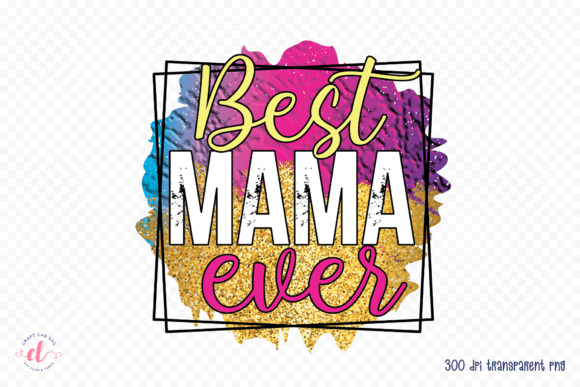
Reviewing the Best Mom Ever Sublimation PNG for Embroidery
As a designer who spends half my life digitizing files and the other half stitching them out, I have learned that not every graphic translates well to thread. When I first pulled up the Best Mom Ever - Family Sublimation PNG, my initial reaction was one of cautious optimism. The buffalo plaid pattern is a perennial favorite in the Crafts category, offering a rustic, cozy aesthetic that resonates deeply with customers looking for heartfelt, personalized gifts. However, viewing a high-resolution image on a screen is vastly different from watching a needle punch through fabric. This review breaks down how this specific design asset performs when moved from digital Graphics into the tangible world of machine embroidery.
First Impressions: Mood and Visual Personality
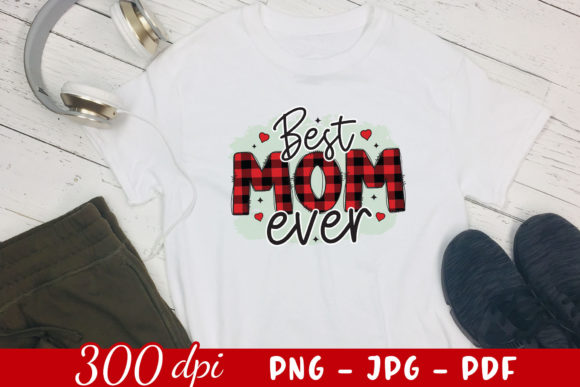
The immediate mood created by this design is warm, traditional, and familial. The combination of the "Best Mom Ever" quote with the buffalo plaid background suggests a product meant for comfort—think flannel shirts, winter blankets, or sturdy tote bags. Visually, the layout is balanced, with the text acting as the focal point against the textured backdrop. For an embroidery project, this contrast is crucial. If the text were too thin or the plaid too dense, the final stitched result would look muddy. In this case, the boldness of the typography suggests it can hold its own, provided the digitizer or printer handles the transition between the text and the pattern with care.
Real-World Application: From Screen to Stitch
To truly evaluate this asset, I imagined a specific real-life scenario: creating a custom embroidered tote bag for a Mother’s Day boutique collection. Tote bags are typically made from canvas or heavy cotton, which provides a stable base for embroidery. Using the Best Mom Ever - Family Sublimation PNG as a reference for placement and color matching, I considered how the buffalo plaid elements would translate. If you are sublimating this directly onto polyester fabric, the 300 DPI resolution ensures crisp edges. However, if you are using this as a guide for an applique design or a full fill stitch embroidery, the complexity increases.
For a sweatshirt embroidery project, the soft texture of fleece pairs beautifully with the rustic vibe of buffalo plaid. Here, the design serves as a centerpiece. Customers reacting to such a item are likely looking for something that feels handmade and authentic. The visual appeal of the plaid pattern adds depth that a simple text-only design lacks, potentially increasing the perceived value of the handmade product. It transforms a standard garment into a personalized gift that feels curated rather than mass-produced.
Navigating Technical Challenges in Embroidery
While the aesthetic is strong, practical application requires vigilance. The primary challenge with any plaid or checkered pattern in embroidery is stitch density. If you attempt to stitch out every square of the buffalo plaid using a fill stitch, you risk creating a stiff, cardboard-like patch on your fabric. This is particularly problematic on stretchy fabric or lightweight materials like those used for baby embroidery items. In these cases, the weight of the thread can distort the garment, leading to puckering around the hoop size area.
Another critical consideration is the interaction between thread colors and fabric texture. Buffalo plaid relies on high contrast, typically red and black or blue and black. On dark fabrics, achieving this contrast requires careful selection of thread shades. If you are working on a curved surface like caps, the distortion inherent in the curvature can misalign the plaid pattern, making it look warped. For such applications, I recommend simplifying the background pattern or using a printed sublimated backing with embroidered text overlay, leveraging the PNG’s transparent background feature.
Small details also demand attention. The corners of the plaid squares and the serifs of the letters must be sharp. In embroidery, tiny details can get lost if the running stitch underlay is not properly configured. I advise testing the design on scrap fabric first. Check whether the small elements of the plaid merge into a solid block of color from a distance. If they do, you may need to adjust the scale of the design or reduce the detail level for smaller hoop sizes.
Enhancing Product Value and Brand Consistency
For Etsy sellers and small shop product creators, consistency is key to building brand trust. The Best Mom Ever - Family Sublimation PNG offers a versatile asset that can be adapted across various product lines. Whether it is used for holiday embroidery on Christmas stockings or as a year-round custom apparel option, the design maintains a cohesive look. This consistency helps in creating a recognizable brand identity. When customers see a high-quality finished product with clear, crisp details, their confidence in your craft business grows.
Moreover, the versatility of the file formats—PNG, JPG, and PDF—allows for diverse marketing strategies. You can use the transparent PNG to create printable mockup images for your online store, showing customers exactly how the design will look on different colored shirts or bags. This transparency reduces buyer hesitation and increases engagement. For those selling digital embroidery file packages, ensuring that the preview images match the final stitched output is vital for maintaining professional standards.
Practical Notes for Designers and Makers
Before committing to a large production run or listing this as a commercial embroidery product, there are several steps you should take. First, always verify the licensing terms. While the product description mentions it can be used for various purposes, confirming whether it allows for unlimited commercial sales is essential for legal peace of mind. Second, test the design on both light and dark fabric backgrounds. The contrast levels may need adjustment depending on the base material.
Use a proper stabilizer to support the weight of the stitches, especially if you are incorporating the full plaid pattern. A cut-away stabilizer is often best for garments that will be washed frequently, as it provides lasting support without tearing. Additionally, inspect the small details of the text. Ensure that the spacing between letters is sufficient to prevent thread bridging, which can occur when letters are too close together.
Finally, consider the end-user experience. If this is for a tote bag design that will carry heavy groceries, ensure the embroidery does not compromise the structural integrity of the bag. For aprons or kitchen towels, consider using threads that are resistant to fading and heat, as these items undergo rigorous washing. By treating the Best Mom Ever - Family Sublimation PNG not just as a graphic, but as a component of a functional textile product, you elevate the quality of your work and satisfy your customers.
In conclusion, this design holds significant potential for embroidery projects that prioritize warmth and tradition. With careful attention to stitch density, fabric choice, and technical execution, it can become a standout item in your portfolio. Whether you are creating a single embroidered patch for a friend or stocking your small shop with holiday inventory, this asset provides a solid foundation for creative expression. Just remember: the screen is only the beginning; the true test is in the stitch.