Reviewing the Fishing Sublimation Design for Embroidery
As a designer who spends half my life digitizing and the other half stitching, I approach every new Fishing Sublimation Design, Fishing PNG with a mix of curiosity and caution. We often see these assets marketed broadly for sublimation on mugs and shirts, but the real test is whether they can translate into the tactile, textured world of machine embroidery. I recently pulled this specific graphic into my workflow to evaluate its potential for a custom client project, and the results offered some valuable insights for fellow crafters and small business owners.
First Impressions: Mood and Visual Personality
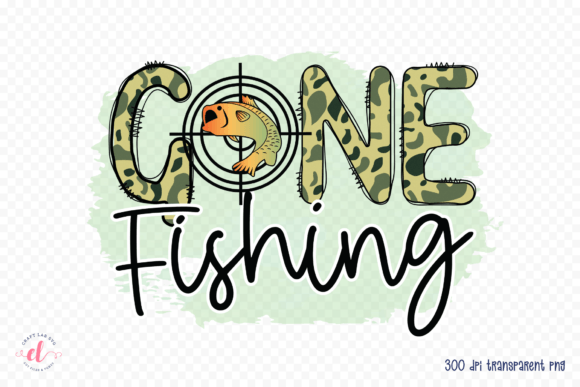
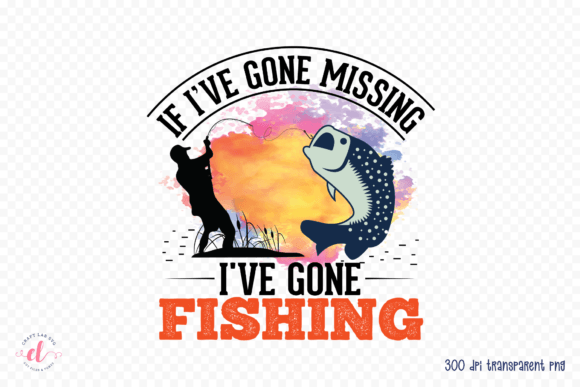
The first thing that strikes you about this design is its narrative quality. It is not just a generic fish icon; it carries a mood. The combination of eye-catching graphics with a beautiful quote creates an immediate emotional connection, which is crucial for handmade products intended as personalized gifts. The layout feels balanced, with enough negative space to allow the stitching to breathe. For those of us in the Crafts industry, we know that cluttered designs rarely translate well to thread. This design, however, suggests a calm, outdoorsy aesthetic that fits perfectly with current trends in rustic home decor and casual custom apparel.
When I viewed the Fishing PNG at full size, the lines appeared clean and distinct. This is a good sign for digitizing. Complex gradients in sublimation files can be a nightmare to convert into stitch paths, but the strong contrasts here suggest that the core shapes will hold up well when converted into a machine embroidery design. The visual personality is inviting, making it an excellent candidate for projects where the goal is to evoke nostalgia or a love for nature.
Real-World Application: From Screen to Stitch
To truly test the viability of this asset, I imagined a specific real-life scenario: a custom order for a local fishing guide who wanted branded merchandise for his clients. He requested a high-quality tote bag design and a few sweatshirt embroidery pieces for his staff. This is where the rubber meets the road. While the product description mentions use on t-shirts and mugs, embroidery requires a different consideration of fabric and form.
For the tote bags, the design’s horizontal layout works beautifully. It spans the width of a standard bag without feeling cramped. When digitizing this for a fill stitch application, the broad areas of the graphic allow for consistent thread coverage. However, for the sweatshirts, I had to consider the fabric texture. Fleece and heavy cotton blends require careful attention to stitch density. If the original graphic has too many fine details, they can get lost in the pile of the fabric. In this case, the bold nature of the Fishing Sublimation Design, Fishing PNG means the main elements will remain visible, provided the digitizer uses appropriate underlay stitches to stabilize the fabric.
Versatility Across Product Lines
Beyond apparel, this design shows promise for various small shop products. Imagine it as an embroidered patch for caps or jackets. Patches require dense stitching and clean edges, and the defined borders in this graphic lend themselves well to a satin stitch finish. It could also work for holiday embroidery projects, such as personalized stockings for families who love outdoor activities, or even as a central motif on a pillow cover for a cabin-themed living room.
For Etsy sellers and digital product creators, this asset offers flexibility. You can use the original PNG for printable mockups to showcase your finished embroidered items, creating a cohesive brand presentation. It serves as a versatile piece among your design assets, allowing you to create coordinated collections that include both sublimated and embroidered goods.
Technical Considerations and Potential Pitfalls
While the design is visually appealing, there are areas where caution is necessary. Not every sublimation graphic is ready for the needle. Here are specific scenarios where you need to think critically before stitching:
- Small Hoop Sizes: If you plan to use this on a 4x4 hoop, you may need to simplify the design. Tiny lettering or intricate details in the quote might become illegible or cause thread breaks if the stitch count is too high for the area.
- Textured and Stretchy Fabrics: On pique knits or thin jersey, a heavy fill stitch can cause puckering. Always use a proper stabilizer—cut-away for stretchy fabrics and tear-away for stable woven cottons.
- Dark Fabric Challenges: Sublimation designs often rely on white backgrounds or light colors. If you are stitching on a black cap or navy sweatshirt, you must ensure your thread colors have enough contrast. You may need to add a white underlay or adjust the color palette to maintain visibility.
- Curved Surfaces: Applying this to a cap requires careful placement. The design should be centered and scaled to fit the curved panel without distorting the text. Test stitching on a similar curved surface is essential.
Enhancing Product Value and Customer Trust
Using a high-quality graphic like this Fishing Sublimation Design, Fishing PNG directly impacts the perceived value of your finished product. Customers can tell when a design is crisp and well-executed. A messy or poorly digitized embroidery job can undermine trust, but a clean, professional stitch-out reinforces your brand’s reputation for quality. This is particularly important for commercial embroidery clients who are buying in bulk or for boutique branding purposes.
Moreover, the emotional resonance of the design aids in buyer engagement. When a customer sees a beautifully stitched quote that speaks to their passion for fishing, they are not just buying a shirt; they are buying an identity. This connection drives sales and encourages repeat business for your craft business.
Practical Designer Notes for Best Results
Before you commit to a large production run or list this item in your store, follow these practical steps to ensure success:
- Test on Scrap Fabric: Never skip this step. Stitch the design on the exact fabric type you plan to use for the final product. Check for puckering, thread breaks, and color accuracy.
- Check Thread Color Contrast: View your design in black and white mockups to ensure the values are distinct. If the design looks muddy in grayscale, it will look unclear in thread.
- Review Stitch Density: If you are digitizing this yourself, keep the density moderate. Too dense, and the fabric will stiffen; too loose, and the backing will show through.
- Confirm Licensing: Since this is a Graphics file originally intended for sublimation, verify the license terms. Ensure you have the right to use it for commercial embroidery projects and sold physical items. Do not assume that a sublimation license covers embroidery usage.
- Inspect Small Details: Zoom in on the quote text. If the letters are too thin, consider widening them or switching to a simpler font for the embroidered version to ensure legibility.
In conclusion, the Fishing Sublimation Design, Fishing PNG is a strong contender for translation into embroidery. With careful digitizing and attention to fabric choice, it can elevate a simple baby embroidery item, a rugged apron, or a stylish tea towel into a cherished keepsake. By treating the graphic with the technical respect it deserves, you can create stunning, professional-quality items that resonate with your customers and stand out in the crowded marketplace of handmade goods.