Reviewing the Awesome Dads Tattoo Design
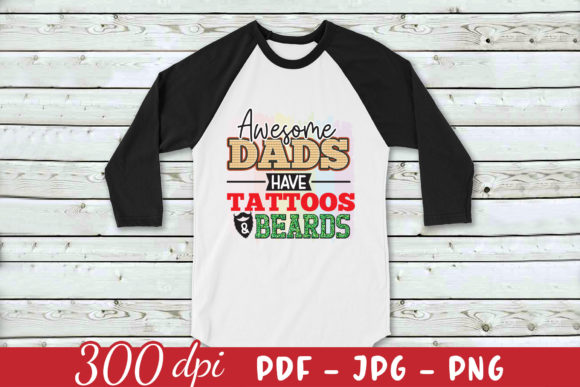
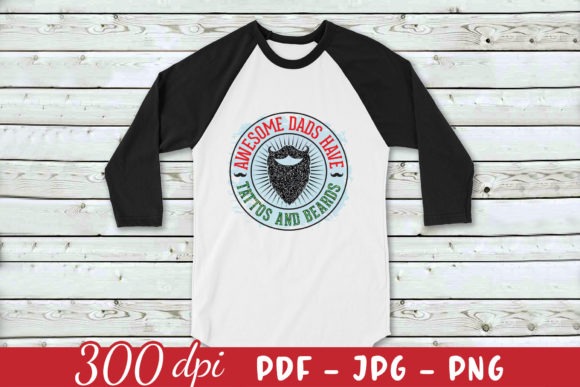
As a designer who spends more time staring at stitch maps than actual fabric, I have learned that not every graphic translates well to thread. We often see digital assets marketed broadly, but the real test is how they hold up under the needle. Recently, I evaluated Awesome Dads Have Tattoos and Beards PNG to determine its viability for real-world embroidery projects. This is not just a sublimation background; it is a statement piece for Father’s Day, and understanding its limitations and strengths is crucial for any serious craft business.
First Impressions and Visual Personality
The first thing that strikes you about this design is its attitude. It moves away from the traditional, soft-hearted dad imagery and leans into a modern, rugged aesthetic. The combination of tattoos and beards creates a specific mood—one that is cool, contemporary, and slightly edgy. For an embroidery designer, this presents both an opportunity and a challenge. The visual personality is strong, which is excellent for brand consistency if your small shop targets a younger or more alternative demographic.
However, because this asset originates as a PNG intended for sublimation, we must critically assess how these visual elements translate to stitch work. Sublimation relies on color gradients and smooth lines, whereas embroidery relies on texture and density. The "beautiful quote" mentioned in the product description needs careful scrutiny. If the lettering is too thin or intricate, it may not survive the conversion to a machine embroidery design without significant editing. The creative theme is great for celebrating Father’s Day, but only if the execution respects the medium.
Real-World Application: The Custom Sweatshirt Test
To truly evaluate this graphic, I imagined applying it to a custom apparel project: a heavyweight cotton sweatshirt. This is a popular item for Etsy sellers and boutique owners during the spring leading up to June. The rugged nature of the "tattoos and beards" motif pairs perfectly with the casual, durable feel of a sweatshirt. Unlike delicate baby embroidery, this design demands a sturdy canvas.
When visualizing the finished product, the placement is key. A left-chest placement might lose the detail of the tattoo elements, making them look like undefined blobs of thread. Instead, this design shines as a large back print or a full-front center piece. In this context, the design acts as a focal point. It transforms a standard garment into a personalized gift that feels intentional and high-value. For a craft business, this means higher perceived value, allowing for better pricing margins compared to simple monogramming.
Versatility Across Product Lines
Beyond sweatshirts, where else does this design fit? I considered its use on tote bags. A canvas tote with this graphic could appeal to dads who are also makers or outdoorsmen. However, the fabric texture of canvas is rougher than cotton jersey. You must ensure that the stitch density is high enough to cover the weave of the fabric, otherwise, the background will show through the fill stitch areas, ruining the visual clarity.
For those interested in creating embroidered patches, this design could work well if simplified. An applique design approach might be necessary for the larger shapes, such as the beard silhouette, to reduce bulk and stitch count. Patches are a growing niche for small shop products, and a rugged dad theme fits seamlessly into that market. Just remember that curved surfaces, like caps, require different handling. The dense areas of a tattoo design might pucker a cap’s front panel if not properly stabilized.
Technical Considerations for Embroidery
Here is where the rubber meets the road. Since Awesome Dads Have Tattoos and Beards PNG is primarily described as a sublimation design, using it for embroidery requires conversion or careful digitizing. You cannot simply import a PNG into your embroidery software and expect a perfect result. You must manually create the stitch types.
- Stitch Density: Tattoo designs often have shading. In embroidery, shading is achieved through varying stitch angles and densities. Too dense, and the fabric will pucker; too sparse, and the design looks cheap. You must balance the fill stitch areas carefully.
- Lettering Clarity: The quote included in the design must be legible. Small serif fonts often fail in embroidery. If the text is part of the PNG, you may need to trace it and convert it to a satin stitch or a clean running stitch outline to ensure readability.
- Thread Colors: This design likely relies on contrast. Test your thread colors against your fabric. A dark beard on a black shirt will disappear. Always check your design in black and white mockups first to verify contrast levels.
Another critical factor is the stabilizer. For stretchy fabrics like t-shirts, a cut-away stabilizer is non-negotiable to prevent distortion. For woven fabrics like aprons or pillow covers, a tear-away might suffice, but given the potential density of a tattoo-style design, I would recommend a medium-weight cut-away for stability and longevity. This ensures the handmade product maintains its shape after washing.
Navigating Limitations and Fabric Choices
Not every fabric is a friend to this design. Thin fabrics, such as silk or lightweight rayon, will struggle under the weight of the stitches required for a detailed tattoo look. The tension alone can cause puckering that no amount of hooping can fix. Similarly, textured fabrics like fleece can swallow small details. If you are using this for holiday embroidery on a cozy blanket, ensure the design is scaled up significantly so the details do not get lost in the pile.
Dark fabrics present another hurdle. If the design includes light-colored elements (like skin tones or highlights in the beard), you may need to use an underlay or even a base layer of white thread to make the top colors pop. This increases production time, which is a vital consideration for commercial embroidery projects where efficiency impacts profit.
Commercial Viability and Brand Trust
For the Etsy seller or digital product seller, the quality of the final stitch-out directly impacts customer trust. A sloppy embroidery job with loose threads or misaligned layers can damage your brand’s reputation. Before listing this as a finished product or a digital embroidery file, you must digitize it professionally. If you are selling the physical item, inspect every angle. Does the beard look symmetrical? Are the tattoo lines smooth?
Furthermore, licensing is paramount. The product description mentions it is great for Father’s Day and various purposes, but it does not explicitly state commercial embroidery rights. As a professional, you must confirm whether the license allows you to sell physical items made with this design. Never assume. Check the terms before investing time in sampling and marketing. Using design assets without proper clearance can lead to legal issues that shut down a small business overnight.
Final Verdict for Makers
Awesome Dads Have Tattoos and Beards PNG is a compelling graphic with strong market potential for the right audience. It captures a modern fatherhood vibe that is often underserved in the craft world. However, it is not a plug-and-play solution for embroidery. It requires thoughtful digitizing, appropriate fabric selection, and rigorous testing.
If you are prepared to treat this as a serious embroidery project—adjusting stitch density, choosing the right stabilizer, and scaling for visibility—it can become a standout item in your catalog. Whether for a custom apparel line, a unique tote bag design, or a personalized gift shop, this design offers a fresh alternative to traditional dad gifts. Just remember: the difference between a amateur look and a professional finished product lies in the details you manage before the needle ever hits the fabric.