Squirrel Patrol SVG: A Designer’s Embroidery Review
As an embroidery designer who has spent countless hours digitizing, testing, and stitching files for clients, I approach every new machine embroidery design with a mix of curiosity and skepticism. We have all been there: you download a cute graphic, load it onto your machine, and pray the thread doesn’t bunch up or the details don’t get lost in the fabric grain. Today, I am taking a close look at the Squirrel Patrol SVG Cut File. While this asset is marketed primarily as a cut file for vinyl and paper crafts, its potential as a reference for embroidery or as a hybrid digital asset for T-Shirt Designs and Graphics deserves a practical evaluation.
First Impressions: Mood and Visual Personality
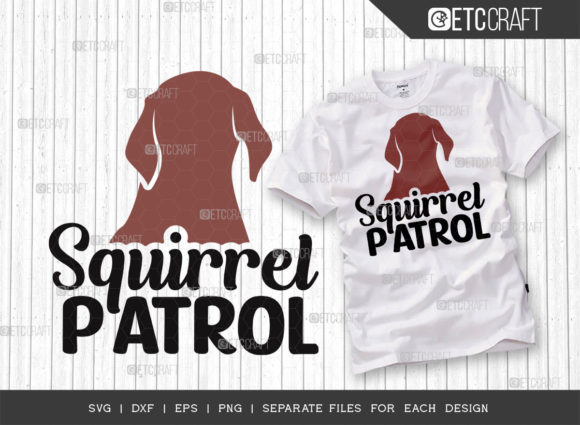
The first thing that strikes me about the Squirrel Patrol motif is its playful, slightly mischievous energy. The theme taps into the popular "dog mom" and pet lover niche, but with a humorous twist that suggests a dog on high alert for backyard squirrels. Visually, the layout appears balanced, with bold lines that suggest it would translate well into satin stitches if digitized properly. For those of us creating embroidery projects, the clarity of the silhouette is crucial. A muddy outline ruins the charm of a whimsical design. This particular graphic offers clean edges, which is a promising sign for stitch definition.
The mood is lighthearted and relatable. It is not overly intricate, which makes it versatile. In the world of design assets, simplicity often sells better because it appeals to a broader audience. Whether you are a hobbyist making a gift or an Etsy seller stocking up for the holiday rush, a design that reads clearly from a distance is invaluable.
Real-World Application: From Screen to Stitch
Let us imagine a real-life scenario. You run a small boutique shop specializing in personalized pet accessories. A customer orders a custom tote bag for their friend who is obsessed with her terrier’s daily squirrel-chasing rituals. This is where the Squirrel Patrol SVG Cut File comes into play. While the product description notes it includes SVG, DXF, EPS, and PNG formats, using it for embroidery requires a specific workflow.
If you are using this as a base to create an applique design, the PNG or SVG can serve as your template. You would stitch a placement line, lay down your fabric patch, tack it down, and then perhaps add a satin stitch border around the squirrel shape. This method reduces stitch count and prevents the dense filling that can pucker lightweight fabrics. Alternatively, if you are digitizing this from scratch based on the graphic, the bold shapes allow for effective use of fill stitch patterns without excessive underlay complications.
For sweatshirt embroidery, this design shines. The thicker fabric of a hoodie or crewneck supports heavier thread weights, allowing the details of the squirrel and any accompanying text to pop. I envision this working beautifully on the left chest area or as a larger back piece. The contrast between the thread colors and the garment fabric will determine the final impact. A dark navy sweatshirt with cream and brown threads would give it a classic, rustic feel, while bright neon threads on a black hoodie would appeal to a younger, trendier demographic.
Navigating Fabric and Hoop Constraints
However, we must discuss where caution is needed. Not every fabric behaves the same way. If you are attempting this on a thin cotton tee or a stretchy jersey knit, you must be mindful of stitch density. High-density fills on stretchy fabric will cause distortion, leading to a wavy, unprofessional finished product. In such cases, I recommend using a cut-stabilizer backing and possibly converting parts of the design to running stitches or lighter fill patterns.
Hoop size is another critical factor. Before you begin, check the dimensions of the graphic. If the design is too large for a standard 4x4 inch hoop, you may need to split the design or upgrade to a 5x7 or 6x10 hoop. For curved surfaces like caps, the design needs to be centered carefully to avoid wrapping around the seam. An embroidered patch might be a safer bet for complex shapes on hats, allowing you to stitch the design on flat twill and then attach it to the cap.
Textured fabrics like terry cloth towels or fluffy blankets present their own challenges. The pile of the fabric can swallow small details. If the Squirrel Patrol design includes fine whiskers or tiny eyes, these might get lost. In such instances, increasing the stitch width or simplifying the smallest elements during the digitizing phase is essential. Always test on scrap fabric first. There is no substitute for a physical test stitch to see how the thread colors interact with the fabric texture.
Commercial Viability and Brand Consistency
For commercial embroidery professionals and craft business owners, consistency is key. When you sell a personalized gift or a small shop product, the quality of the stitch-out reflects directly on your brand. A clean, crisp execution of the Squirrel Patrol motif builds customer trust. It shows attention to detail and professionalism.
This design fits well into several product categories beyond apparel. Think about kitchen towel sets, pillow covers for nursery decor, or even holiday embroidery projects for autumn-themed decorations. The versatility of the squirrel theme allows it to transcend seasons, though it naturally leans toward fall and winter aesthetics. By offering this design on various items, you increase the perceived value of your store.
Moreover, in the digital realm, having high-quality printable mockup images of this design on different products can boost engagement on social media and Etsy listings. Customers want to visualize how the custom apparel or home good will look in their lives. Clear, well-lit photos of the stitched result are far more convincing than digital renderings alone.
Practical Notes for the Embroiderer
Before you commit to a full production run or a client order, keep these technical checks in mind:
- Check Licensing: Ensure that the license for the Squirrel Patrol SVG Cut File allows for commercial use if you plan to sell physical items. Some digital files are for personal use only. Since this is provided as a cut file, verify if the creator permits embroidery adaptation for sale.
- Contrast Testing: Test the design in black and white first. If the details disappear in grayscale, they will likely struggle in low-contrast thread combinations.
- Stabilizer Selection: Use a cut-away stabilizer for garments that will be washed frequently, such as baby embroidery items or active wear. Tear-away is suitable for decorative pieces that won't undergo heavy stress.
- Detail Inspection: Zoom in on the SVG or PNG to identify any tiny nodes or overlapping paths that might cause needle breaks or thread jams when digitized.
- File Formats: Remember that you are receiving SVG, DXF, EPS, and PNG. You will need embroidery software to convert these vector or raster images into a stitch file (PES, DST, etc.) compatible with your machine. Do not assume the SVG is ready to stitch directly.
In conclusion, the Squirrel Patrol SVG Cut File offers a charming, marketable aesthetic that resonates with pet lovers. With careful digitizing, appropriate fabric selection, and attention to stitch density, it can become a standout piece in your embroidery file library. Whether you are creating a one-of-a-kind handmade product or scaling up for a busy season, treating this graphic with technical respect will yield professional, delightful results.