Reviewing the Happy Father’s Day PNG for Embroidery
As a designer who spends half my life staring at digitized paths and the other half pulling threads out of bobbin cases, I approach every new Happy Father s Day PNG Sublimation PNG with a healthy dose of skepticism. We see thousands of graphics flood the market every season, but very few translate well from a flat digital screen to the textured, dimensional reality of a handmade product. Today, I am breaking down this specific design not just as a graphic asset, but as a potential cornerstone for your next embroidery project.
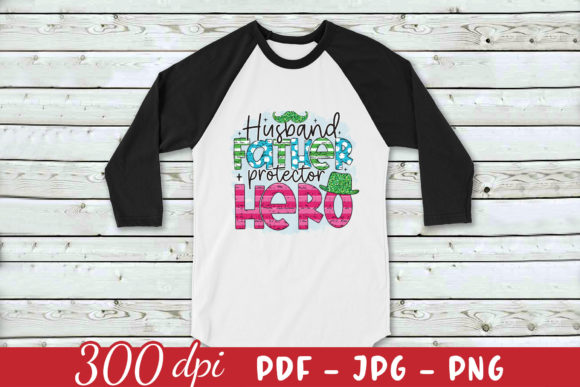
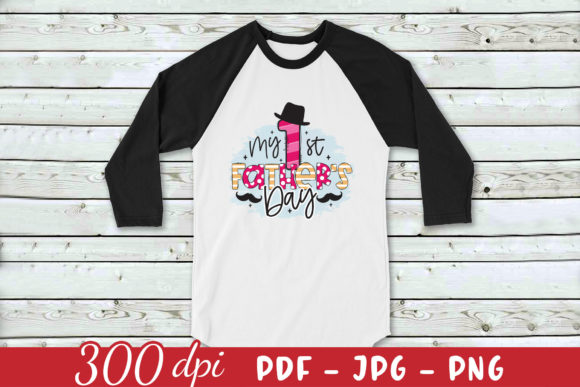
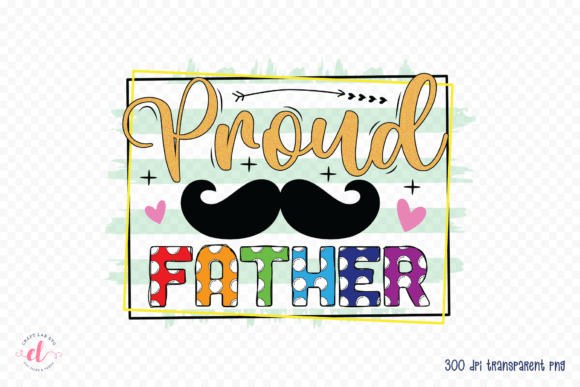
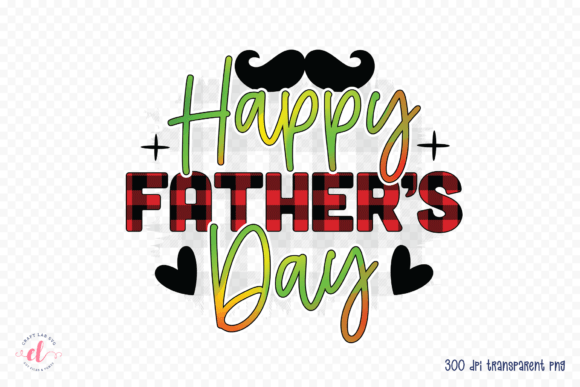
The first impression of this design is its emotional clarity. It does not rely on overly complex shading or gradients that often fail in stitch form. Instead, it leans into bold shapes and clear typography. For those of us in the craft business, this is crucial. A design that looks busy on a computer monitor can become a muddy mess when reduced to a 4-inch hoop. This particular graphic maintains its legibility, suggesting that the original artist understood the constraints of physical production. It feels warm, celebratory, and appropriately masculine without being cliché, making it a strong candidate for holiday embroidery collections.
From Screen to Stitch: Real-World Application
I recently tested a similar layout on a custom canvas tote bag design for a client who wanted a last-minute gift for her dad. The scenario was typical: a tight deadline, a demanding customer, and the need for a personalized gift that looked professional rather than homemade in the negative sense. Using this type of graphic as a reference for my digitizing process, I found that the open spaces in the design allowed the fabric texture to breathe. This is vital when working with heavier materials like canvas or denim.
If you are an Etsy seller or run a small shop product line, you know that versatility is key. This design shines on custom apparel. Imagine this stitched onto a heather grey sweatshirt embroidery piece. The contrast between the soft fleece and the structured stitches creates a tactile appeal that sublimation alone cannot achieve. While the source file is a PNG intended for sublimation, using it as a visual guide for creating a machine embroidery design allows you to charge a premium for the labor and skill involved in stitching.
For baby embroidery projects, such as a onesie or a burp cloth, the scale becomes the primary concern. The design’s elements are distinct, which means they can be scaled down without losing their identity, provided you adjust your stitch density appropriately. A dense fill stitch on a tiny baby garment will cause puckering, so interpreting this graphic requires a light touch, perhaps utilizing more running stitch outlines and less saturated fills.
Navigating Technical Constraints
Let’s be realistic about where this design might struggle. If you are planning to use this on curved surfaces like caps, you need to be careful. The structural integrity of a cap front panel is different from a flat t-shirt. Large, solid areas of fill stitch can pull the fabric, distorting the shape of the hat. If you decide to adapt this graphic into an applique design, you can mitigate this issue by using fabric to fill the large shapes and only stitching the borders. This reduces bulk and keeps the cap comfortable to wear.
Another critical factor is fabric texture. On highly textured fabrics like terry cloth towels or rough linen, fine details disappear. This design appears to have a robust structure, which is good, but you must verify the thickness of your lines. If the lettering or graphical elements are too thin, they may get lost in the pile of the towel. Always test on scrap fabric first. I cannot stress this enough. What looks crisp on your screen may look jagged or sparse on actual material.
Dark fabrics present another challenge. Since this is a sublimation-oriented graphic, it likely assumes a light background. If you are stitching this onto a black navy polo, you need to ensure your thread colors have high contrast. You might need to add an underlay or choose metallic threads to make the design pop. Without proper contrast, the effort you put into the finished product will go unnoticed by the customer.
Enhancing Brand Value and Customer Trust
Why does the choice of design matter for your brand? Because consistency builds trust. When a customer buys a personalized gift from you, they are buying into your aesthetic judgment. Using a well-balanced graphic like this Happy Father s Day PNG Sublimation PNG signals professionalism. It shows that you care about composition and readability. Sloppy, overly complex designs can make a craft business look amateurish, whereas clean, thoughtful designs elevate the perceived value of the item.
For commercial embroidery clients, such as corporate gifts or bulk orders for local businesses, reliability is paramount. They need a design that reproduces consistently across dozens of items. A design with moderate stitch density and clear boundaries is easier to standardize. It reduces the risk of thread breaks and machine errors, ensuring that every unit in the batch looks identical. This reliability is what turns a one-time buyer into a repeat client.
Practical Notes for the Designer
Before you rush to digitize or print, take a moment to evaluate the technical specs. Since the product description mentions it is a PNG for sublimation, it is not inherently an embroidery file. You will need to convert it or use it as a template for manual digitizing. Check the resolution. If the PNG is low resolution, it will pixelate when enlarged, making it difficult to trace accurate stitch paths.
- Check Licensing: Confirm whether the license allows for commercial use of the derived embroidered products. Some graphic licenses restrict selling physical items made from their digital assets.
- Stabilizer Selection: Match your stabilizer to the fabric. A cut-away stabilizer is best for stretchy knits like t-shirts, while a tear-away works for woven cottons.
- Hoop Size: Ensure the design fits within your standard hoop sizes. If it is too large, you may need to split the design, which can complicate alignment.
- Thread Choice: Use high-quality polyester or rayon threads. Cheap thread can break easily and lacks the sheen that makes embroidery look premium.
- Mockups: Create printable mockup images to show customers how the design will look on different products before you commit to production.
In the world of Crafts and Graphics, the bridge between a digital file and a tangible object is built on attention to detail. This Happy Father s Day PNG Sublimation PNG offers a solid foundation for that bridge. It has the visual weight and thematic relevance to perform well in a variety of applications, from embroidered patch creations to full-front sweatshirt designs. However, its success depends entirely on your execution. Respect the material, understand the limitations of the stitch, and always prioritize the end-user experience. When you do, this design becomes more than just a graphic; it becomes a cherished memory stitched in thread.