Reviewing Life Begins After Coffee for Embroidery
As a designer who has spent countless hours digitizing and stitching out quotes, I have learned that typography is deceptively difficult. A phrase might look charming on a screen, but once it hits the fabric, issues with legibility, spacing, and stitch density can ruin an otherwise perfect project. When I first pulled up Life Begins After Coffee, my initial reaction was one of cautious optimism. The sentiment is universal, relatable, and commercially viable, but the execution is what determines whether this design ends up in the trash bin or on a best-selling tote bag.
This review comes from the perspective of someone who needs to know how a file performs in the real world. I am not just looking at pretty pixels; I am thinking about hoop placement, thread breaks, and customer satisfaction. Here is my practical assessment of using this design in your next embroidery project.
First Impressions and Visual Personality
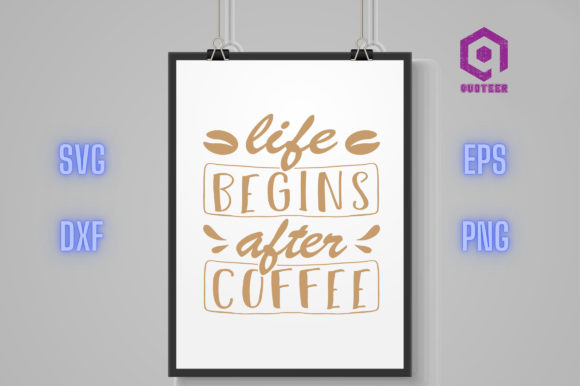
The mood of Life Begins After Coffee is warm, inviting, and slightly humorous. It taps into the daily ritual that millions of people cherish, making it an instant connector with potential buyers. Visually, the layout appears balanced, which is crucial for centered chest placements on sweatshirts or prominent spots on tote bags. The typography suggests a blend of modern casualness with a touch of handmade charm, fitting perfectly within the Crafts and Graphics categories where authenticity sells.
What stands out immediately is the potential for versatility. Because the message is text-based, the success of the design relies heavily on font choice and spacing. In my experience, designs like this thrive when they are clean enough to read from a distance but detailed enough to look professional up close. If the letters are too thin, they may disappear into textured fabrics. If they are too dense, the fabric might pucker. This design seems to strike a middle ground, offering a solid foundation for various applications.
Real-World Application: The Custom Tote Bag Test
To truly evaluate a design, you have to imagine it on a product. I visualized stitching Life Begins After Coffee onto a natural canvas tote bag. This is a staple item for coffee shops, bookstores, and eco-conscious shoppers. For this application, the design needs to be bold. Canvas has a visible weave, so fine details can get lost.
In this scenario, I would recommend using a heavier weight thread, perhaps a 40-weight rayon or polyester, to ensure the letters pop against the neutral background. The contrast between dark brown or black thread and the light canvas would mimic the color of coffee itself, reinforcing the theme. This kind of thoughtful pairing elevates a simple machine embroidery design into a cohesive handmade product. It transforms a generic bag into a statement piece that speaks to the user’s lifestyle.
Beyond tote bags, this design is a strong contender for sweatshirt embroidery. A left-chest placement on a heather grey or navy crewneck creates a subtle, boutique-style look. It is understated enough for daily wear but distinctive enough to spark conversation. For small shop product lines, this versatility is key. You can offer the same digital asset across multiple products without needing to redesign the core graphic.
Navigating Technical Challenges
While the concept is strong, practical embroidery requires technical vigilance. There are specific scenarios where Life Begins After Coffee requires careful handling. If you are working with stretchy fabrics like jersey knits for t-shirts, stabilizer choice is non-negotiable. Without a proper cut-away stabilizer, the tension from the stitches could cause the fabric to ripple, distorting the letters and making the quote unreadable.
Another consideration is hoop size. If you are attempting to place this on a curved surface, such as a cap, you must ensure the design fits within the usable area of your cap frame. Text designs can be tricky on caps because the curvature can distort straight lines. I always advise running a test stitch on a similar scrap fabric before committing to the final garment. This is especially true for embroidered patch creation, where the edges need to be clean and the backing secure.
For those interested in baby embroidery, proceed with caution. While the quote is cute, baby items require softness. Dense stitch areas can feel scratchy against sensitive skin. If you use this design on a onesie or bib, consider reducing the stitch density if your software allows, or opting for a simpler running stitch outline rather than a heavy fill stitch. Always prioritize comfort alongside aesthetics.
Commercial Value and Brand Consistency
For Etsy sellers and craft business owners, the commercial viability of a design is paramount. Life Begins After Coffee has high giftability. It works for birthdays, office gifts, and teacher appreciation presents. When customers see a well-executed version of this quote, they perceive value. It signals that the maker understands current trends and quality standards.
Using this design consistently across your marketing materials, such as printable mockup previews, helps build brand recognition. If you specialize in kitchenware, pairing this with embroidered tea towels or aprons creates a cohesive collection. The key is maintaining high stitching clarity. Sloppy thread tails or poor tension will undermine the professional look, regardless of how good the original file is.
It is also worth noting the included file formats. The package contains SVG, PNG, DXF, and EPS files. This is excellent for hybrid creators who might want to use the graphic for print-on-demand services alongside their embroidery work. However, for machine embroidery specifically, you must ensure you have the correct embroidery file format (such as PES, DST, or JEF) compatible with your machine. The description lists vector and image formats, so double-check if native embroidery files are included or if you need to digitize the SVG yourself. If you are digitizing it, pay close attention to underlay stitches to prevent shifting.
Practical Designer Notes for Best Results
Before you start stitching, take a moment to plan. Here are my top recommendations for getting the best result with this design:
- Test on Scrap Fabric: Always stitch a sample on the same type of fabric you intend to use for the final product. This reveals issues with tension and density.
- Check Thread Contrast: Ensure your thread color stands out against the fabric. Dark threads on light fabrics usually offer the best readability for text.
- Review Stitch Density: If the design feels too stiff after stitching, adjust your density settings. Lighter fabrics need less density to prevent puckering.
- Confirm Hoop Size: Measure the design dimensions against your hoop. Leave enough margin for the frame to grip the fabric securely.
- Inspect Small Details: Zoom in on the curves of the letters. Sharp corners may need manual editing to prevent thread bunching.
- Use Proper Stabilizer: Match your stabilizer to your fabric. Cut-away for knits, tear-away for wovens, and wash-away for delicate or textured materials.
- Verify Licensing: Before selling finished items, confirm the license terms. Ensure you have commercial rights if you are an Etsy seller or running a small shop.
In conclusion, Life Begins After Coffee is a promising asset for any designer’s library. It balances humor with style, making it suitable for a wide range of custom apparel and home goods. By paying attention to technical details like stabilizer choice and stitch density, you can transform this digital file into a high-quality finished product that customers will love. Whether you are creating holiday embroidery gifts or stocking your online store, this design offers a solid foundation for creative expression.