Review: Life is Better when I m Fishing PNG for Embroidery
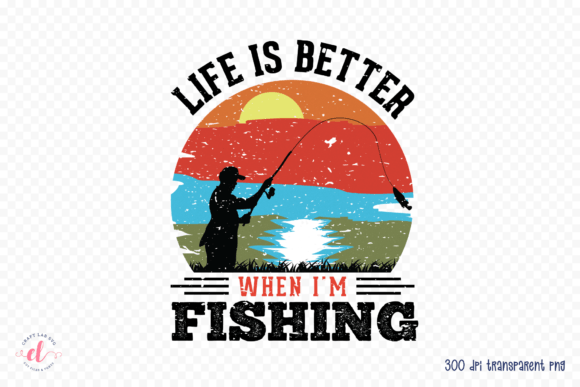
As a designer who spends more time staring at digitized stitch paths than actual thread spools, I have learned to be skeptical of generic graphic assets. We often see titles like Life is Better when I m Fishing PNG and assume they are ready for immediate production. However, there is a significant gap between a sublimation-ready graphic and a viable machine embroidery design. When I first pulled up this file to evaluate its potential for a client’s upcoming spring collection, my primary concern was not the aesthetic appeal—which is undeniably charming—but its structural integrity once translated from pixels to stitches.
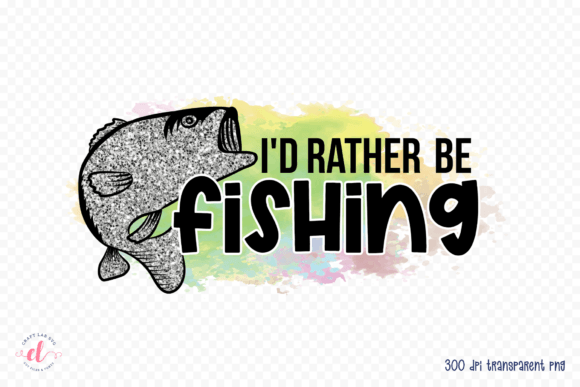
The initial visual impression of this Graphics asset is relaxed and nostalgic. It captures that specific, laid-back mood associated with early morning lake trips and quiet patience. For those of us in the Crafts industry, mood is half the sale. The layout appears balanced, with the quote serving as both a message and a structural frame for any accompanying imagery. But does it hold up under the needle? That is the question every serious Etsy seller or boutique owner needs to ask before committing to a bulk order of blanks.
Real-World Application: The Custom Tote Test
To truly understand the value of this design, I simulated a real-world scenario. I imagined using this artwork for a heavy-duty canvas tote bag design, a popular item for fishing enthusiasts who need to carry gear without relying on plastic bags. In this context, the Life is Better when I m Fishing PNG needs to do more than look pretty; it needs to withstand friction, weight, and frequent washing.
If you are converting this graphic into an embroidery file, the first thing to consider is scale. On a tote bag, you have ample room, but on a sweatshirt embroidery project, space becomes premium. The text legibility is crucial here. If the original PNG has thin, wispy fonts, they will vanish when converted to running stitch or narrow satin stitch columns. My advice is to bolden the typography during the digitizing phase. A slightly thicker font ensures that the message remains readable from a distance, enhancing the visual appeal of the finished product.
Navigating Fabric and Stitch Challenges
One of the most common mistakes I see among hobbyists and new craft business owners is ignoring fabric texture. This design, with its likely mix of text and illustrative elements, behaves differently on various materials. On a smooth cotton polo, the details will pop. However, if you attempt this on a textured terry cloth towel or a fuzzy fleece blanket, the finer details may get lost.
For textured fabrics, you must adjust your stitch density. Too dense, and you risk puckering the fabric, especially if you are working with stretchy materials like jersey knits for custom apparel. Too sparse, and the backing fabric shows through, ruining the professional look. I recommend using a cut-away stabilizer for garments that will be washed frequently, as it provides long-term support that tear-away stabilizers cannot match. This is particularly important for holiday embroidery gifts or personalized gift items that are meant to last for years.
Another critical area is the use of color. The original graphic likely features specific shades of blue, green, or earth tones. When selecting thread colors, do not just match the screen image. Thread has sheen and depth that ink does not. A flat blue on screen might look muddy if you choose a matte rayon thread. Test your palette on scrap fabric first. Compare how the design looks in natural light versus indoor lighting. This attention to detail builds customer trust and elevates your brand from a amateur operation to a professional small shop product line.
Commercial Viability and Brand Consistency
For commercial embroidery projects, consistency is key. If you are selling this as part of a series, ensure that the Life is Better when I m Fishing PNG aligns with your other design assets. Does it share a similar visual weight? Do the fonts complement your existing logo? Buyers engage with brands that feel cohesive. A disjointed product line can confuse customers and lower perceived value.
Furthermore, consider the versatility of the design. While it is perfect for fishing-themed items, could it work for a broader audience? Perhaps as a baby embroidery piece for a nursery with a nature theme, or on an embroidered patch for a scout uniform? The more applications you can identify, the higher the return on investment for your digitizing time. However, be cautious with very small applications. Tiny lettering on a cap brim, for instance, may become illegible. Always check the minimum viable size for your specific machine and needle combination.
Practical Notes for the Serious Maker
Before you list this item in your store or stitch it onto a client’s garment, take these practical steps:
- Verify Licensing: The description mentions it is a sublimation design. Ensure you have the right to convert it into an applique design or standard embroidery file for commercial sale. Some graphic licenses do not cover derivative works in different mediums.
- Test on Scrap: Never stitch directly on your final garment. Use the same fabric type and weight for your test run. Check for puckering, thread breaks, and registration issues.
- Check Hoop Size: Confirm that the design fits within your standard hoop size without requiring excessive re-hooping, which can lead to misalignment.
- Mockup in Black and White: Remove color from your digital preview. If the design relies solely on color contrast to be understood, it will fail in embroidery where texture and stitch direction define the shape. Ensure the silhouette is strong.
- Evaluate Washability: Stitch a sample, wash it, and dry it. Does the thread shrink? Does the fabric pucker? This step saves you from costly returns and negative reviews.
In conclusion, Life is Better when I m Fishing PNG offers a solid foundation for a variety of embroidery project types. Its strength lies in its emotional resonance and clear theme. However, its success depends entirely on your technical execution. By respecting the limitations of fabric, thread, and machine capabilities, you can transform a simple graphic into a high-value handmade product. Whether you are creating a printable mockup for your online store or stitching a one-of-a-kind personalized gift, let practical design judgment guide your process. The difference between a good product and a great one is often found in the details you choose to refine before the first stitch is ever made.