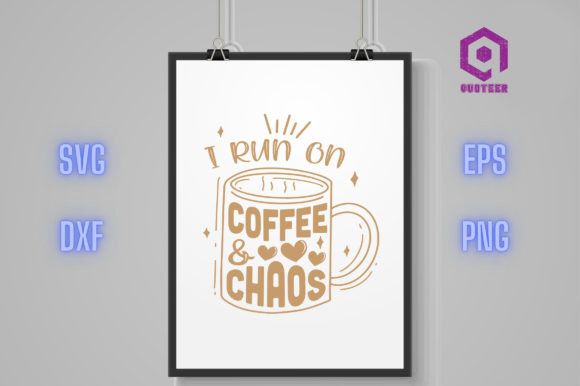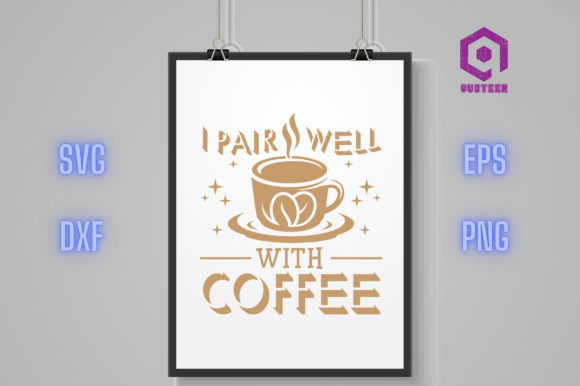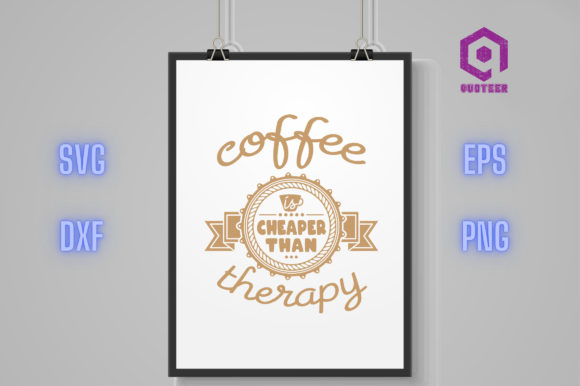
Obsessive Coffee Drinker: A Designer’s Review
As a designer who spends half the day digitizing and the other half stitching, I have learned that not all graphics translate well to thread. Some designs look fantastic on a screen but turn into a tangled mess under the needle. When I first pulled up the Obsessive Coffee Drinker file, my immediate reaction was one of cautious optimism. It is a relatable theme, certainly, but the execution determines whether it ends up as a high-value handmade product or a scrap fabric experiment.
I approached this review with a specific project in mind: a custom order for a local café owner who wanted branded merchandise for her staff. She needed something witty but professional, suitable for both aprons and tote bags. This real-world scenario is the perfect testing ground for any embroidery design. Does it hold up on textured canvas? Does it read clearly from a distance? Let’s break down how this design performs when it moves from digital asset to finished stitch.
First Impressions and Visual Personality
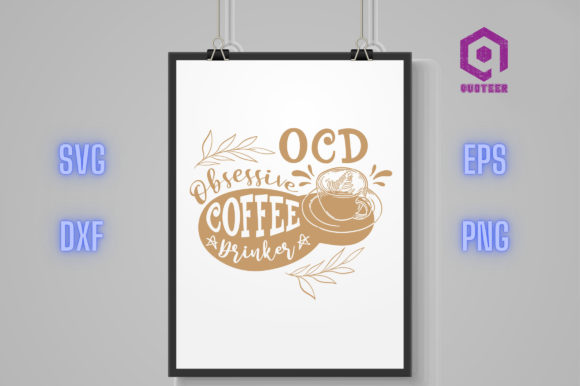
The mood of the Obsessive Coffee Drinker design is playful yet bold. It captures that universal sentiment among creatives and early risers without being overly cluttered. From a layout perspective, the balance between text and graphical elements is crucial. In many low-quality files, the lettering is too thin or the iconography is too dense, leading to stitching errors. Here, the visual personality feels grounded. It suggests a design that relies on strong lines rather than excessive detail, which is often a safer bet for consistent production quality.
For those of us selling on Etsy or at craft fairs, visual appeal is everything. The design needs to pop. When I loaded the SVG and PNG previews included in the ZIP file, I checked the contrast immediately. A good embroidery file should have clear boundaries. If you are planning to use this for a sweatshirt embroidery project, the silhouette needs to be distinct against heather grey or navy fabrics. The initial look suggests it would work well with high-contrast thread colors, such as cream on dark brown or black on oatmeal.
Real-World Application: From Screen to Stitch
I decided to test the concept mentally against a few common substrates. First, consider a heavy cotton tote bag. Tote bags are popular items for small shop products because they are durable and offer a large, flat surface. The Obsessive Coffee Drinker graphic, with its likely horizontal orientation, fits naturally across the center of a standard tote. However, you must consider the fabric texture. Canvas has a weave that can swallow fine details. If this design relies heavily on running stitch for outlines, it will look crisp. If it uses dense fill stitch for large areas, you need to ensure the stabilizer is robust enough to prevent puckering.
Next, I thought about custom apparel, specifically a crewneck sweatshirt. Sweatshirts are tricky due to the fleece lining and stretch. For a baby embroidery project or a kids' hoodie, the scale of the design matters immensely. You do not want a massive graphic overwhelming a small chest area. This design seems versatile enough to be scaled down for a left-chest logo or scaled up for a full-back statement piece. The key is checking the stitch density. High-density areas on stretchy fabric require a cut-away stabilizer and possibly a topping to keep the stitches from sinking into the fleece.
Another viable option is an embroidered patch. Patches are trending in the craft business world right now. If you digitize this onto twill or felt, the Obsessive Coffee Drinker motif could become a standalone accessory. Patches allow you to control the backing and hooping separately from the garment, giving you more freedom to experiment with satin stitch borders and complex fills without worrying about distorting a finished shirt.
Technical Considerations and Potential Pitfalls
While the concept is strong, there are areas where you must exercise caution. As an experienced reviewer, I always look for tiny lettering. If the quote includes small text beneath the main headline, it may not stitch out cleanly below a 4x4 hoop size. Small serifs and tight kerning can merge together when thread expands slightly during stitching. I strongly advise you to inspect the EPS or DXF files in your vector software to check the minimum line width. If any element is thinner than 0.5mm, it might need adjustment before you send it to your machine.
Dark fabrics present another challenge. If you are stitching white thread on a black apron, you need to ensure there are no gaps in the coverage. A light-colored underlay is essential here. Also, consider the thread colors. Coffee themes usually call for earth tones—browns, tans, creams, and blacks. These colors can sometimes lack contrast if not chosen carefully. Test your thread chart against the design. A monochromatic look can be sophisticated, but it requires precise tension settings to ensure the texture of the satin stitch stands out against the fill stitch background.
Curved surfaces, like caps, require special attention. If you plan to put this on a baseball cap, the design must be narrow enough to fit within the front panel without wrapping around the sides. Distortion is common on curved hoops. I recommend using a water-soluble topping to keep the design floating above the fabric texture, ensuring that the letters remain legible and the shapes stay true.
Commercial Value and Brand Consistency
For the Etsy seller or boutique owner, the perceived value of the finished product is tied to the professionalism of the embroidery. A clean, well-digitized design builds customer trust. The Obsessive Coffee Drinker theme has high giftability. It works for holiday embroidery gifts, teacher appreciation weeks, or office party favors. Because it is a quote-based design, it resonates emotionally with the buyer. This emotional connection can justify a higher price point for your handmade product.
However, commercial use rights are critical. The product description mentions an instant digital download containing SVG, PNG, DXF, and EPS files. Note that these are primarily graphic formats. If you are using an embroidery machine, you will likely need to convert these vectors into a machine-specific format like PES, DST, or JEF using your own digitizing software, unless the bundle explicitly states otherwise. Always confirm licensing before selling finished items. Most designers allow commercial use of the physical stitched product but prohibit reselling the digital file itself. Clarify this to protect your craft business.
Practical Designer Notes for Best Results
Before you commit to a large batch of production, follow these steps to ensure quality:
- Test on Scrap Fabric: Never skip this step. Stitch the design on the same type of fabric you intend to use for the final product. Check for puckering, thread breaks, and registration issues.
- Check Stabilizer Choice: Use tear-away stabilizer for woven fabrics like cotton tote bags. Use cut-away stabilizer for knits like sweatshirts and t-shirts to provide lasting support.
- Review Stitch Density: If the design feels stiff after stitching, the density may be too high. Adjust your digitizing settings to reduce overlap if you are converting the SVG yourself.
- Contrast Testing: Create printable mockups in black and white to see if the design holds its shape without color reliance. If it looks muddy in grayscale, it may need simplification.
- Hoop Size Confirmation: Ensure the design dimensions fit your available hoops. A 5x7 hoop is versatile for this type of graphic, but verify the maximum width and height in your software.
In conclusion, the Obsessive Coffee Drinker design offers a solid foundation for various embroidery projects. Its strength lies in its relatability and likely clean layout. By paying attention to fabric choice, stabilizer, and scale, you can transform this digital asset into a polished, professional finished product that appeals to coffee lovers everywhere. Whether you are creating a personalized gift or stocking your small shop with new inventory, this design has the potential to perform well if handled with technical care.